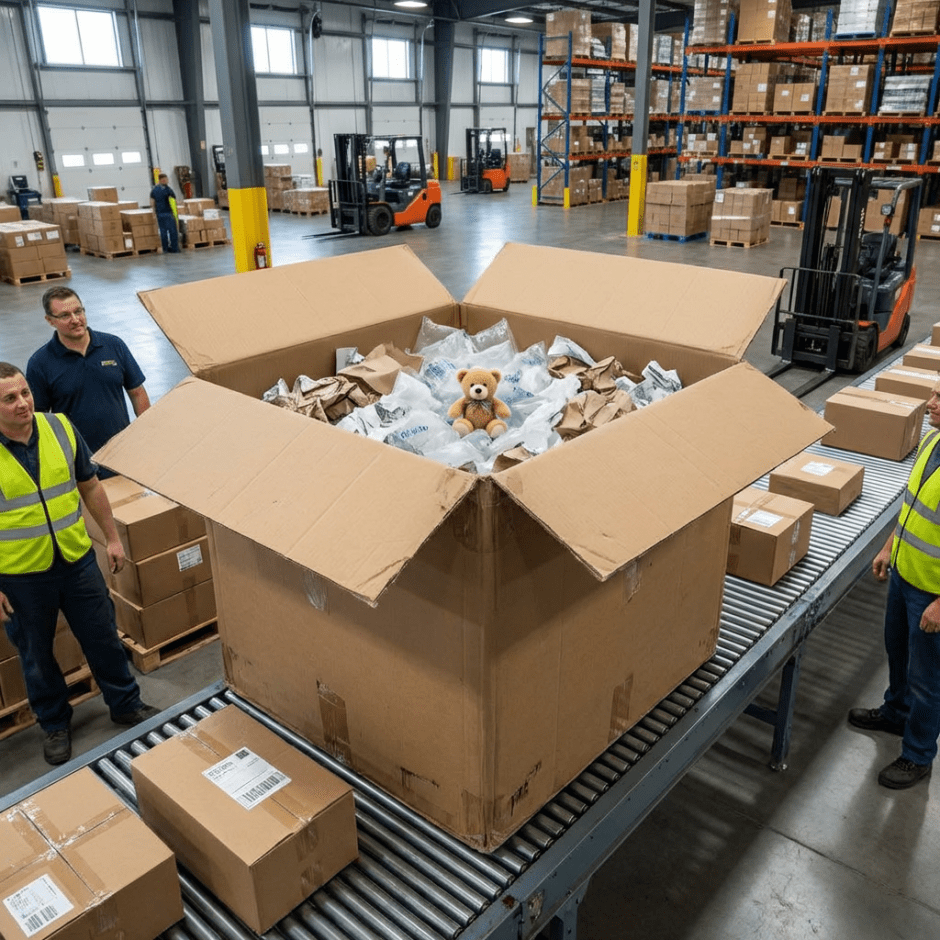
It may seem small at first. You grab a box, pack the item, and send it out. It saves a little time to just use what is nearby. But later, when something arrives damaged or needs to be replaced, that small choice turns into a bigger cost.
Many people do not think about how much the wrong shipping box can affect the outcome. They see it as just a container. But the box is what stands between your item and everything it will face during the trip.
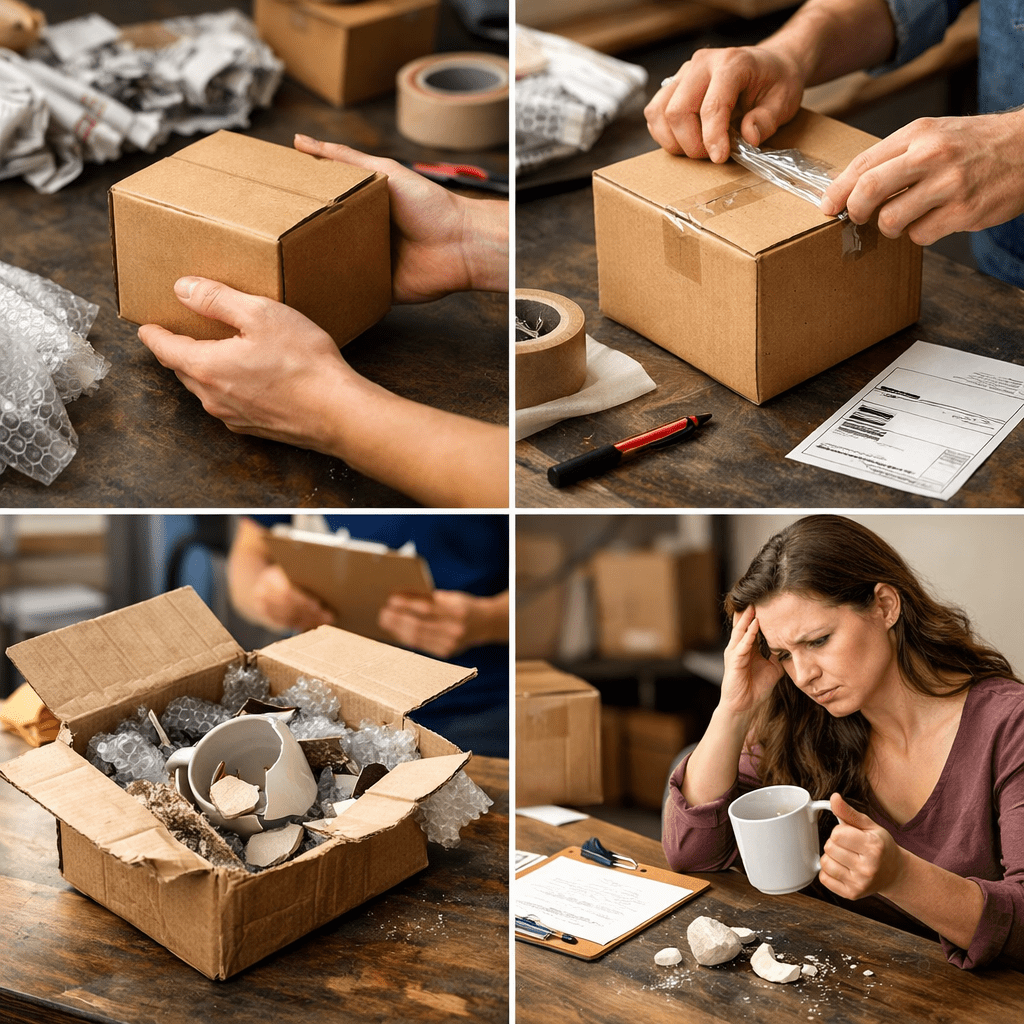
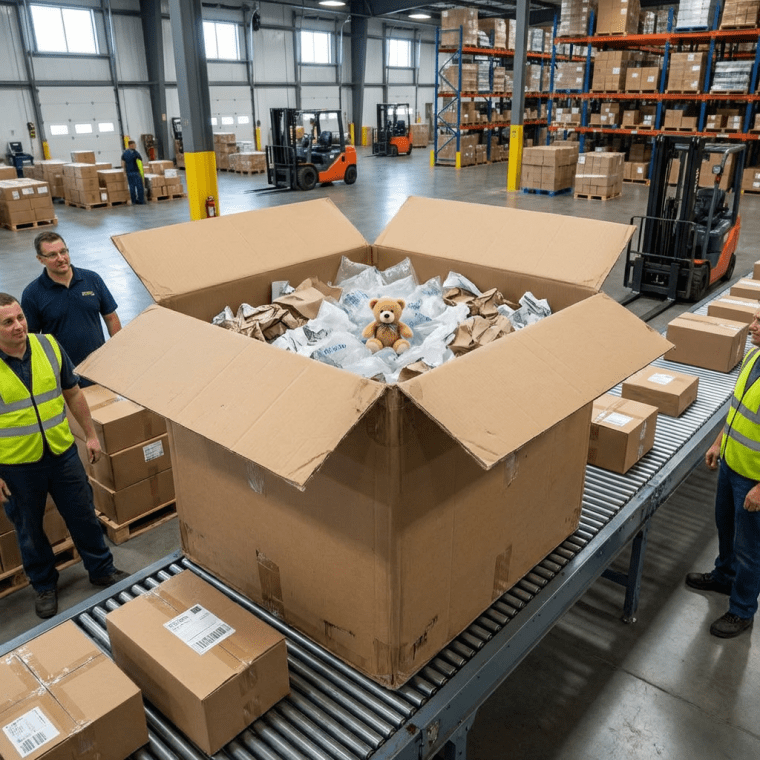
Picture a busy shipping path. Boxes are moving fast on belts, stacked in rows, and placed in trucks. Some are set down gently, but many are not. Now think about your box in that mix. If it is not strong enough or not the right fit, it starts to fail.
One common issue is using a box that is too thin for the item inside. A light box might work fine for small things, but when you place a heavier item inside, the pressure builds. The bottom can bend. The sides can push out. That puts strain on what is inside and can lead to damage.
Another problem is using a box that is too large. It feels like extra space would help, but it often does the opposite. The item moves more. Each time the box shifts, the item shifts too. Over time, those small movements can cause wear, cracks, or breaks.
When you choose a box that fits well, everything changes. The item sits in place. The padding stays where it should. The whole package feels more stable when you lift it. That stability is what helps protect it during the trip.
Think about how the box holds its shape. A strong box keeps its form even when weight is placed on top. This matters when your package is stacked under others. If the box caves in, the item inside takes the pressure.
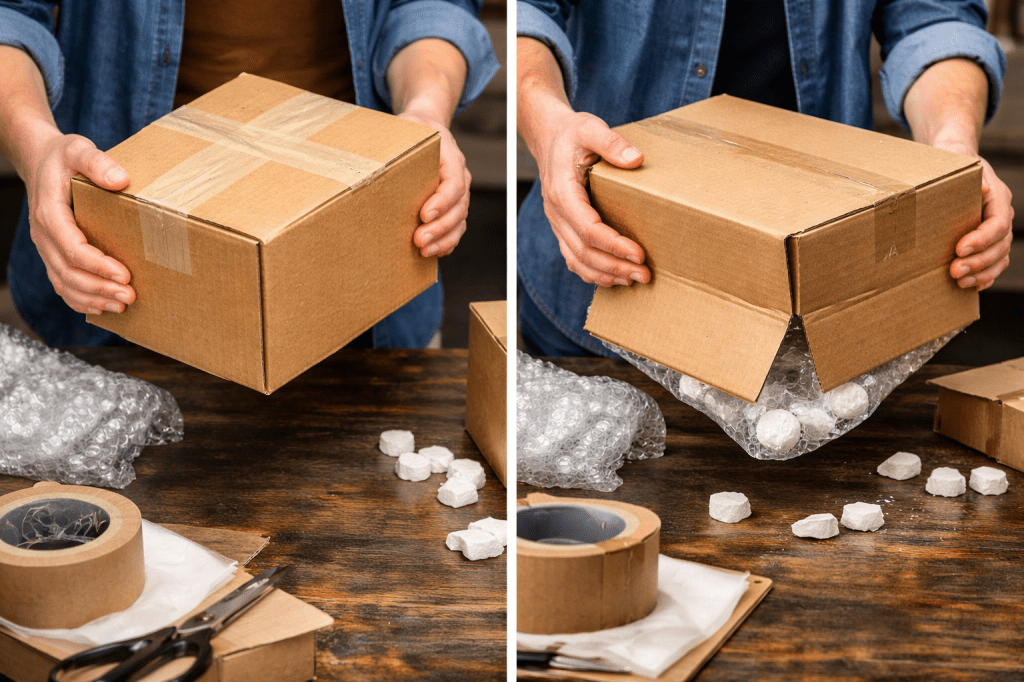
There is also the bottom of the box to consider. This is where all the weight rests. If the base is weak, it can sag when lifted or set down. A firm base keeps everything level and reduces stress on the item.
Before you pack, take a moment to match the box to the job. Ask yourself how heavy the item is, how fragile it might be, and how far it will travel. These simple questions can guide you to a better choice.
Once the item is inside, check how it feels. Lift the box and hold it steady. Does it feel strong and balanced, or does it feel like it might give under pressure? That quick check can help you avoid problems later.
The cost of the wrong box is not just the box itself. It can lead to returns, replacements, and lost trust. Those things add up fast. Choosing the right shipping box from the start helps prevent that.
In the end, the goal is simple. You want your item to arrive in the same condition it left. No damage. No issues. Just a smooth delivery that feels easy for everyone involved.
 Distribution Concepts