When storing food or coffee it’s imperative to consider the best options, barrier bags provide an oxygen barrier in order to protect products. Often times these bags can be found in an upright form in order to display their contents while they are preserving the freshness of the products and preventing spoilage.
It’s important to keep in mind that in using this type of storage there is an implication of the elements in our atmosphere causing degradation, and oxygen is often the culprit. the idea behind a barrier bag -or foil bag- is to eliminate the oxygen inside of the package so the contained product is able to sustain a longer shelf life.
Due to the lowering of oxygen in the bags being the goal there is a need for different materials than standard Polyethylene or Polypropylene, or even a combination of different materials. Oxygen rates are not the only transmission rates that are tested to ensure proper preservation; also tested are water vapor transmissions, carbon dioxide transmission rates, and more. Below is a description for each type of permeation test for barrier bags.
Oxygen Transmission Rate (O2TR) – oxygen permeability testing has evolved over the years and many tests are conducted using sensors for measuring oxygen permeability and infrared for water vapor. The ability to keep oxygen levels at the desired rate depends on the permeability of the bag being used.
Water Vapor Transmission Rate (WVTR) – The water vapor transmission rate measures the amount of moisture able to pass through a material. Some products with high moisture content need to release moisture during storage, while others don’t.

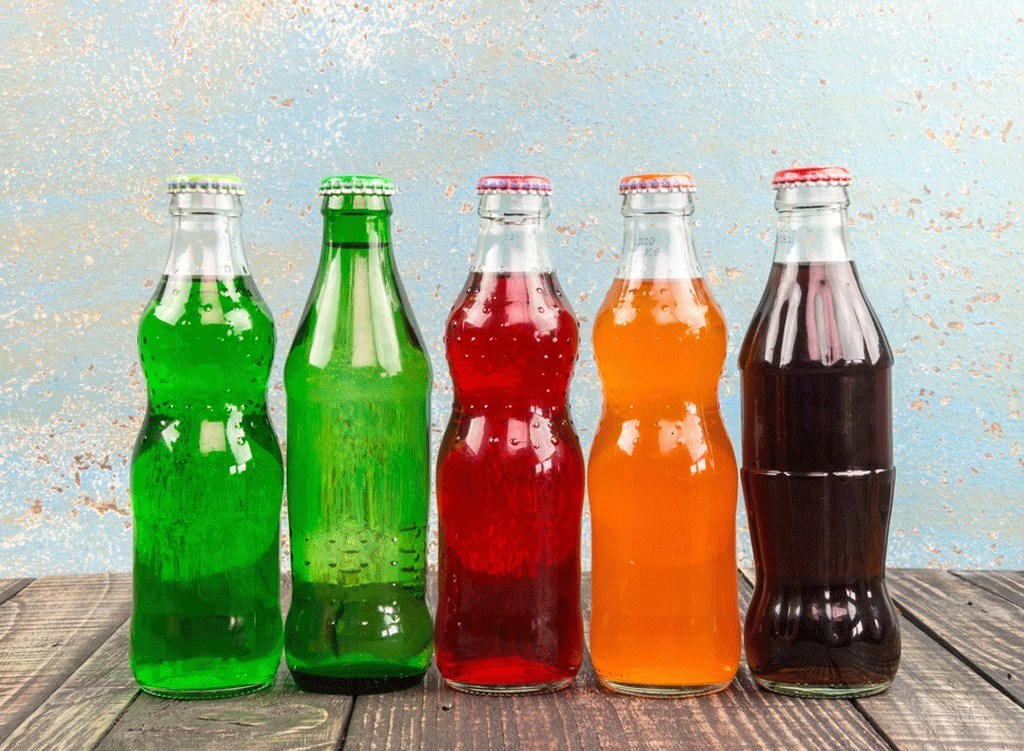
Carbon Dioxide Transmission Rate (CO2TR) – Carbon dioxide transmission rates are important for items such as carbonated beverages and other products containing carbonation. A low transmission rate will keep carbonation from escaping during storage. Fruits and vegetables release CO2 and having a barrier bag to allow carbon dioxide to escape can be advantageous during shelf storage.
Coffee packaging – Ground coffee releases fewer CO2 than whole bean coffee, and the moisture content for whole bean coffee and ground coffee is imperative for the proper taste. Both types of coffee and their packaging are dependent on each of the aforementioned types of testing, and both moisture transmission and oxygen transmission come into play as well.
Polyethylene bags have high oxygen transmission rates and they can work for short-term storage and protection, but they are not capable of barrier packaging. Seal-able and coated paper bags provide minimal oxygen barrier and can help items stay fresher longer. Some coffee roasters will use coated paper bags for whole bean coffee storage.
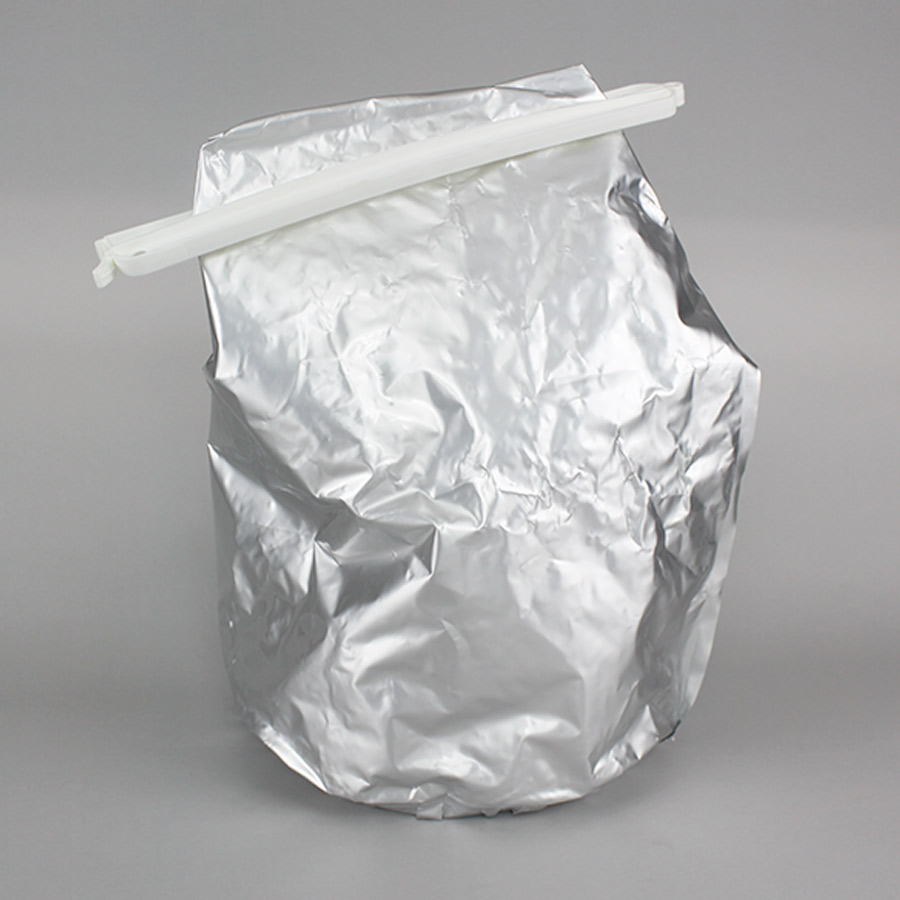
Co-Extruded poly bags are made from more than one material. Layers of materials such a nylon and poly help make these bags form an oxygen barrier, and they are typically used for home and industrial use. Co-Extruded Poly bags with the addition of an EVOH layer will lower oxygen transmission rates and provide better barrier protection than those without the EVOH layer. EVOH is a co-polymer of ethylene and vinyl alcohol made for barrier packaging. Foil laminated barrier bags have the lowest light and oxygen transmission and are used to increase shelf life for many products, like potato chips. For coffee packaging, a foil bag is recommended as it will help preserve the freshness of the coffee.






 Distribution Concepts